 Kruger Lowveld Explorer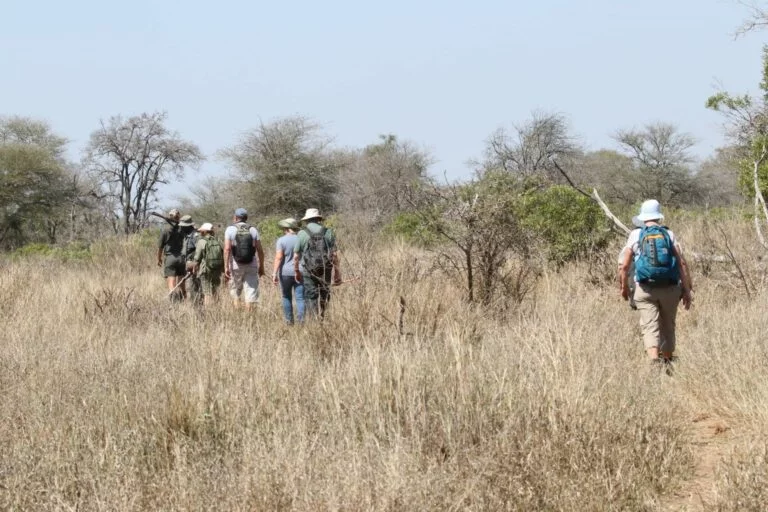
Wilderness trails- Mathikithi Trail
The camp is named after Mathikithi (GR716976 2431BC). Latitude 24:26:03 South, longitude 31:44:10 East, an isolated sandstone hill (313m), situated 6km South West of Satara, next to the Nwanetsi Creek. Mathikithi named after Mathikithi Mathevula, a person who previously lived at the nearby Nsemani-Nwanetsi confluence. The hill was first called Mpondo, named after Mpondo Mathevula, a relative of Mathikithi who lived at the foot of the hill. This name later fell into disuse for unknown reasons.
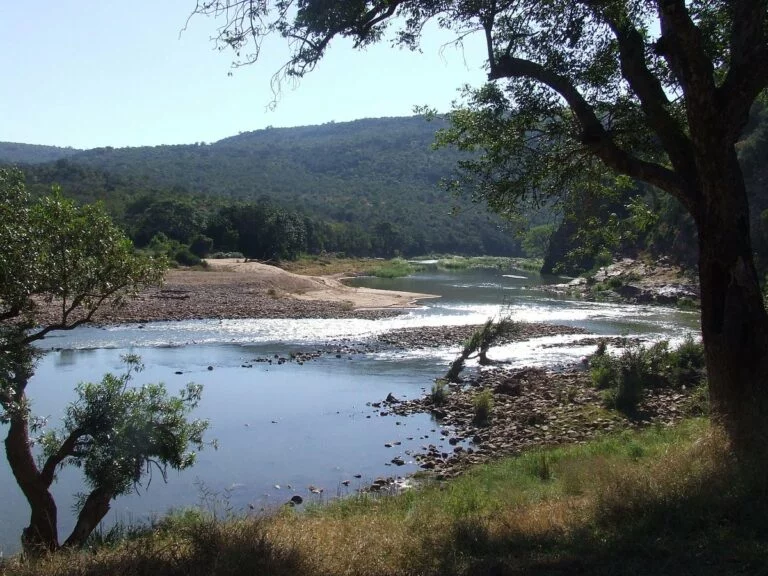
The camp is situated 500m west of Mathikithi sandstone hill along the banks of Nwanetsi stream. It is rustic and Spartan; equipped with solar system to make provision for lightning. There is a communal social area (open campfire area). Cooling facilities consists out of a freezer is provided for guests.
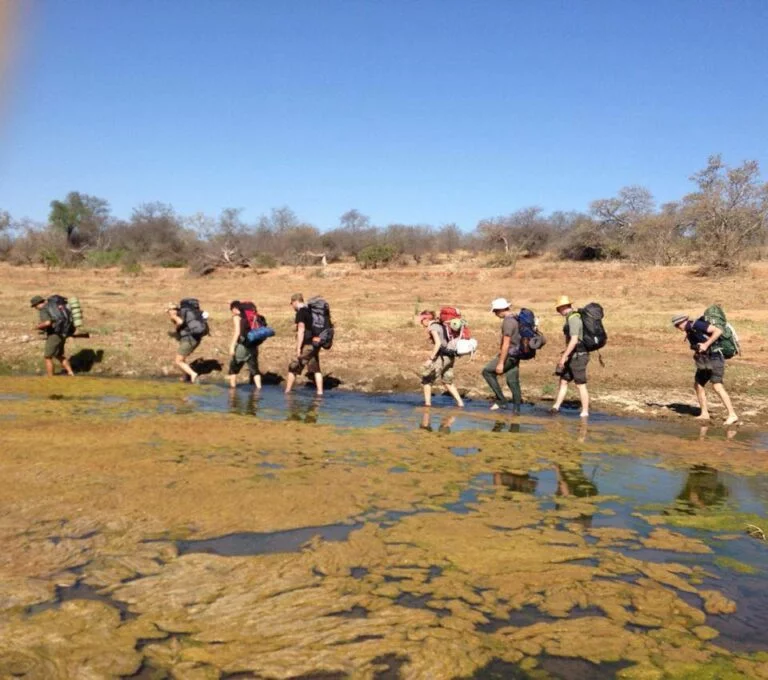
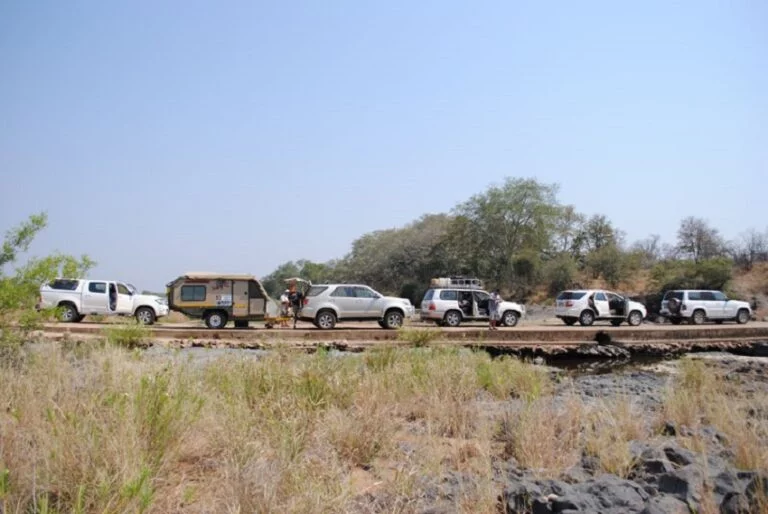
Wilderness trails start on either a Wednesday afternoon to a Saturday morning or a Sunday afternoon to a Wednesday morning.It is a three-night trail with the two days in between spent walking.Trailists arrive and book in at the reception of the rest camp from where the trail departs.The trail ranger meets the group at 15h30 in a designated parking area in the respective rest camp.At this point trailists must be ready and equipped as well as all last minute shopping done before the trail departs which only comes back after the three nights in the wilderness camp.
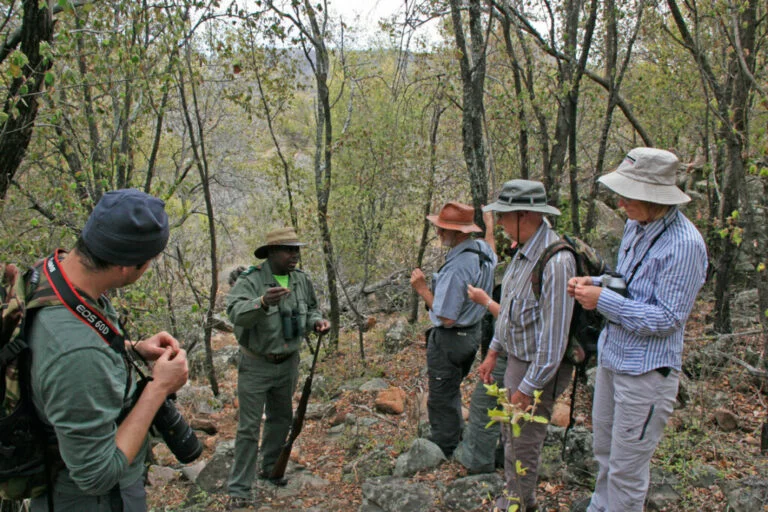
Trailists arrive at the trail camp late afternoon after a slow drive from the individual restcamps. Upon arrival guests are orientated or introduced to the camp and then given time to settle in and relax. The trail leader will give the trailists a full briefing on the camp rules, routine for the next couple of days, what to expect, safety aspects and will answer any questions.After a wholesome meal the guests have the opportunity to sit around the fire, socialise, listen to night sounds and marvel at the stunning night skies.The mornings start before the crack of dawn with a cup of coffee, tea and a rusk after which the walk will start from camp or a drive might be taken out into the wilderness area to a point from where the morning walk will commence.We return late morning and after a well-deserved brunch a siesta is a welcome treat till mid afternoon. The afternoon activity consists of a short walk and traditional sundowners.We return to camp where once again a well cooked meal is served to restore body and soul.The second day is a repeat of the first days activities.The last morning trailists have the opportunity to enjoy the early morning bush chorus from the camp as no walking takes place. Guests are then returned to point of departure after a small breakfast. The trail camps are rustic and spartan. There are no electricity or power generators. Accommodation consists of A-frame huts or tents, as is the case at Napi camp. There are four units that sleep two each. Ablution facilities are communal except the Napi tents where it is en-suite. All linen and towels are provided.Ablutions consist of flush toilets and gas geyser showers.There is a communal social area (lapa) with thatched roof or open campfire area.Cooling facilities consists of a fridge with limited space.The cook prepares all meals in a very basic kitchen with washing up basins and storing facilities.A fence surrounds the camp but it is basically only to tell animals and people where the camp boundary is.Water for washing gets pumped from boreholes close to camp. Water should not be wasted unnecessarily especially in dry times.