 Kruger Lowveld Explorer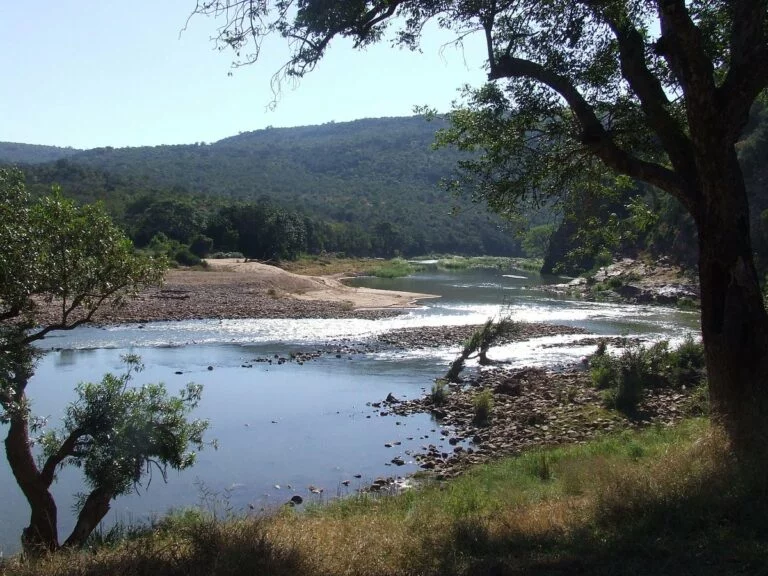
Wilderness trails- Nyalaland Trail
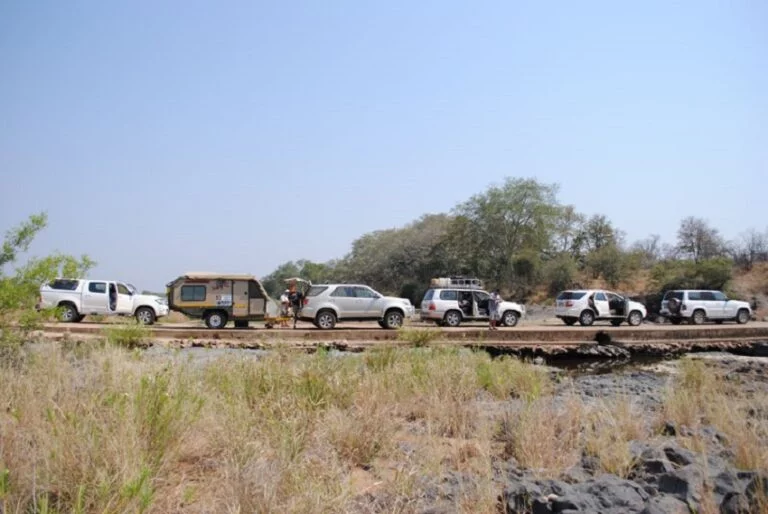
The most remote and out of the way Wilderness Trails Camp is situated between Punda Maria camp and Pafuri with the spectacular Lanner and Levhuvhu gorges along the Levhuvhu River a big attraction. The camp is hidden in a secluded spot on the Madzaringwe River with towering cliffs of the Soutpansberg Mountains in the background. Punda Maria Rest Camp is the departure point for this trail and is only 540km or a 5 hour drive from Johannesburg.
The area is one of the best in the country for bird watching and various localised species such as Verreauxs eagle, Pels fishing owl, grey-headed parrot, mottled spinetail and a lot more can be seen. The spine tails roost inside a giant baobab tree in the trails camp and can be watched at leisure. If you are trying to add new birds to your bird list, Nyalaland is a good place to be.
Nyalaland trail is set in an area which is botanically very rich with scarce sandveld and dry land vegetation communities. The real draw card to this spectacular wilderness area is the large concentration of giant baobabs. This is one of the most spectacular trails within the KNP.You may also come across unique species such as nyala, Sharps grysbok, eland, roan antelope, yellow spotted rock hyrax, elephant shrews and red rock rabbits. The name Nyalaland was given to the trail and camp as there are many nyala antelope and nyala trees in the area.
Important cultural sites in the Kruger National Park occur only on the Nyalaland trail, representing Zimbabwe stone culture and San rock art. One of these sites is situated on a hill, high above the Levhuvhu River, seven kilometres from the camp. This is easily accessible and worth the walk to see the spectacular view of the Levhuvhu gorge. Fossilized remains of two types of dinosaur can be seen, making this area unique. Only guests who visit the Nyalaland trail will have the privilege of seeing these fossils.
The Levhuvhu River, one of the big rivers in the Kruger National Park, is used to cool our guests down when it is hot. There is a beautiful walk to the baobab forests, hyena caves where you eat your breakfast on top of the rocks, surrounded by the baobabs and overlooking Lanner gorge. A walk to Lanner and Levhuvhu gorges is also part of the itinerary, which is a place that looks like God had enough time to make it.
We have a magic wheelbarrow which has served guests their food for a long time. If any of the above appeals to you, then book a place on the next Nyalaland Trail.
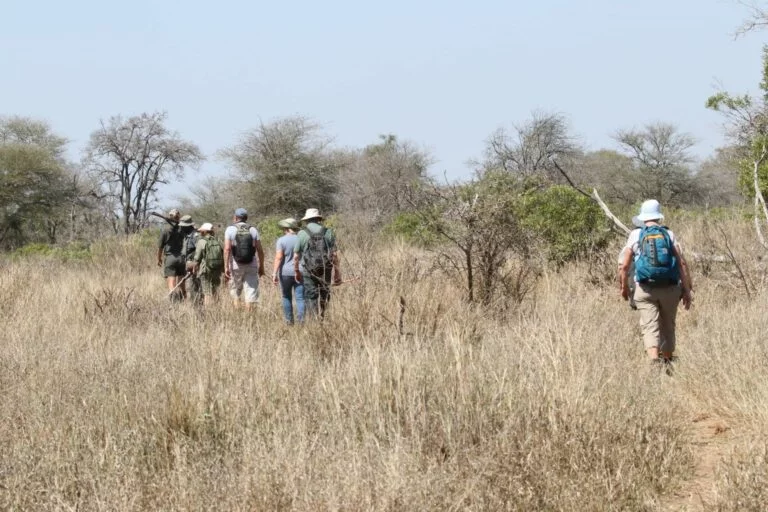
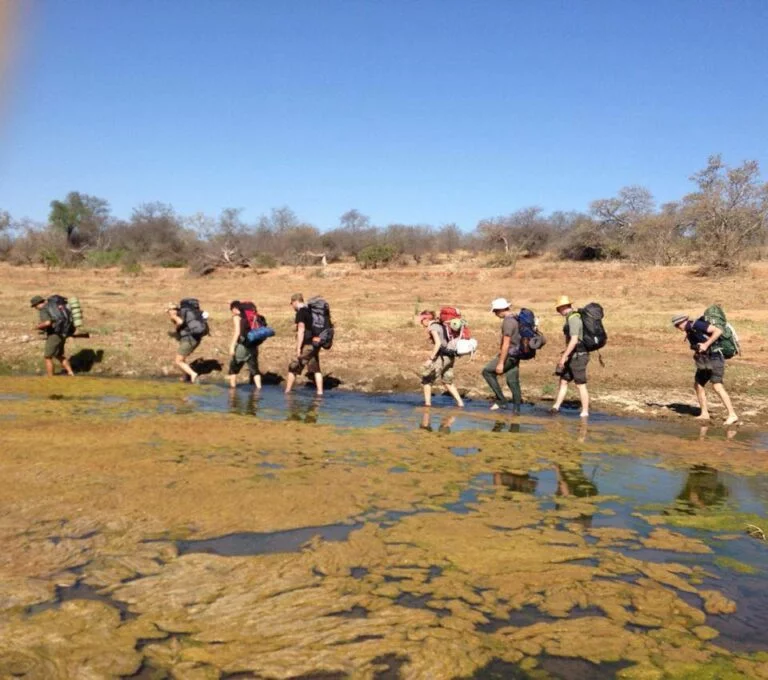
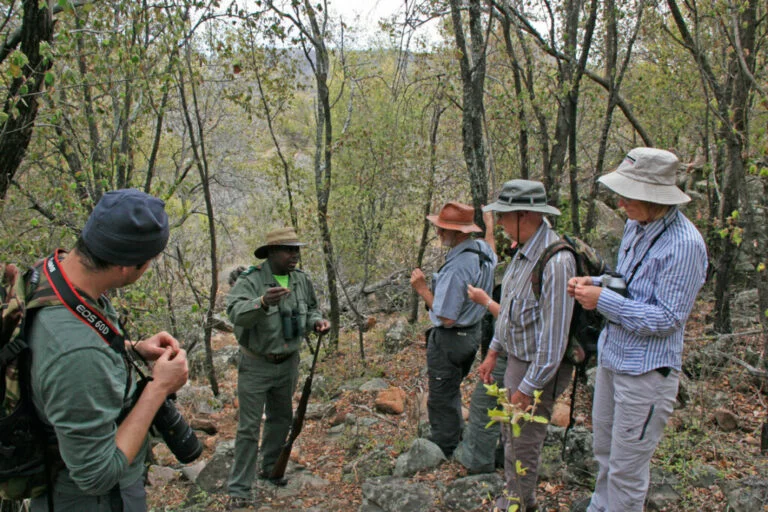
Wilderness trails start on either a Wednesday afternoon to a Saturday morning or a Sunday afternoon to a Wednesday morning.It is a three-night trail with the two days in between spent walking.Trailists arrive and book in at the reception of the rest camp from where the trail departs.The trail ranger meets the group at 15h30 in a designated parking area in the respective rest camp.At this point trailists must be ready and equipped as well as all last minute shopping done before the trail departs which only comes back after the three nights in the wilderness camp. A maximum of eight persons between the ages of 12 and 65 years may participate per trail. To derive the optimum benefit and enjoyment from a trail adventure, it is recommended that a group comprises persons of a similar age, with common interests and the same level of fitness.A reasonable level of fitness is required as up to 20 km may be walked per day. The distance is covered at a leisurely pace, however, to afford trailists an intimate encounter with the wilderness. Due to the terrain covered and the safety factor, handicapped persons should not participate in these trails.All participants have to complete an indemnity form before embarking on a trail. Minors must be in possession of a form signed by a parent or legal guardian. These forms should be handed to the trail ranger before departing on the trail.The general rules and regulations of the Kruger National Park also apply to trailists.Trailists depend on the trail ranger for their safety and for guidance. The trail ranger should therefore be obeyed at all times. Failure to co-operate in this respect could lead to the immediate cancellation of the trail.For safety and ethical reasons liquor may be consumed at the trail camp only. Excessive consumption of liquor is strongly discouraged. Trailists provide their own liquor and soft drinks.Limited space is available in a communal refrigerator.Malaria Prophylactics are essential. Please consult your chemist. Trailists arrive at the trail camp late afternoon after a slow drive from the individual restcamps. Upon arrival guests are orientated or introduced to the camp and then given time to settle in and relax. The trail leader will give the trailists a full briefing on the camp rules, routine for the next couple of days, what to expect, safety aspects and will answer any questions.After a wholesome meal the guests have the opportunity to sit around the fire, socialise, listen to night sounds and marvel at the stunning night skies.The mornings start before the crack of dawn with a cup of coffee, tea and a rusk after which the walk will start from camp or a drive might be taken out into the wilderness area to a point from where the morning walk will commence.We return late morning and after a well-deserved brunch a siesta is a welcome treat till mid afternoon. The afternoon activity consists of a short walk and traditional sundowners.We return to camp where once again a well cooked meal is served to restore body and soul.The second day is a repeat of the first days activities.The last morning trailists have the opportunity to enjoy the early morning bush chorus from the camp as no walking takes place. Guests are then returned to point of departure after a small breakfast. The trail camps are rustic and spartan. There are no electricity or power generators. Accommodation consists of A-frame huts or tents, as is the case at Napi camp. There are four units that sleep two each. Ablution facilities are communal except the Napi tents where it is en-suite. All linen and towels are provided.Ablutions consist of flush toilets and gas geyser showers.There is a communal social area (lapa) with thatched roof or open campfire area.Cooling facilities consists of a fridge with limited space.The cook prepares all meals in a very basic kitchen with washing up basins and storing facilities.A fence surrounds the camp but it is basically only to tell animals and people where the camp boundary is.Water for washing gets pumped from boreholes close to camp. Water should not be wasted unnecessarily especially in dry times.