• Welcome to the Lowveld Explorer! Discover your next adventure...
Stopforth House Museum

Stopforth House Museum

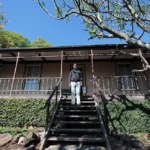
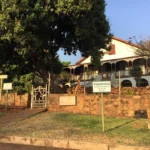
The original Stopforth House and outbuildings were constructed in 1886 by James Stopforth, a Baker and General Dealer, originally from England and later from Pilgrim’s Rest. In 1892 the house was rebuilt. It was occupied by the Stopforth family from 1886 until 1983 and is furnished with the original furniture and household articles used by […]

Matsamo Customs

Matsamo Customs

Matsamo Cultural Village features traditional Swazi cuisine, music played on real African instruments, and traditional dance performances, including the well-known Rain Dance. Along with exploring the village’s several huts and areas, visitors can also take a leisurely stroll and engage with the locals as they go about their everyday lives, raising crops, cooking traditional meals, […]

Steam Locomotive

Steam Locomotive

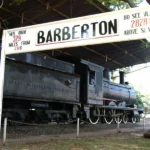
See a relic from the past by taking a leisurely stroll along the Barberton Museum’s Heritage Walk. After serving on the railway line between Barberton and Kaapmuiden from 1899, this charming vintage engine was transported to Barberton in 1971 under its own steam. Nielson & Co. produced the Barberton Steam Locomotive in 1898 for the […]

Museum

Museum

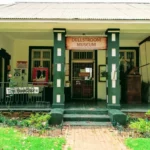
The Dullstroom Heritage Society is in charge of overseeing the museum, which documents and preserves the town’s extensive historical archive. In addition to historical brochures and booklets that describe the early years of the town and highlight the cultural and ethnic diversity that fostered Dullstroom in the past, there are collected artefacts and heritage items […]

The Blockhouse

The Blockhouse

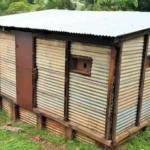
This fort dates from 1900 and is a example of the earliest design (made of wood and iron guard) of the British block houses in South Africa. It was built during the war (along with four others) as position to protect the concentration camp and hospital. It was manned by the Barberton town guard which […]

Belhaven Museum House

Belhaven Museum House

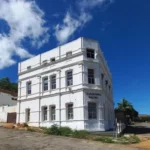
With the discovery of gold in Barberton, in 1884, there was an influx of people who required housing. Building materials were transported to Barberton, on ox wagons. Houses were erected and dismantled with ease. Belhaven was built in 1904 by Robert Nisbet. He was the owner of the Barberton Club (on Pilgrims Street). Robert Nisbet […]

arrow_upward